My Story For His Glory
Welcome To My Blog! by Ana Adler
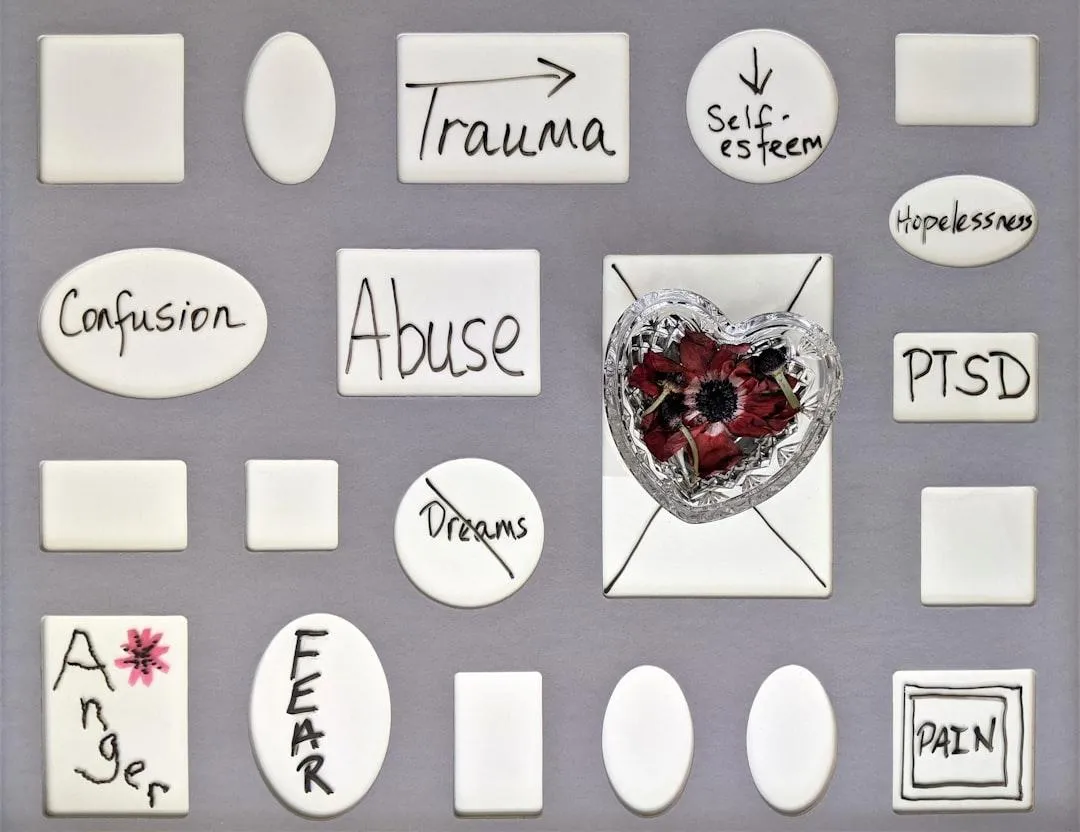
Living With C-PTSD: Naming the Pain and Finding a Path to Healing
For a long time, I didn’t have the words for what I was carrying deep inside my soul. I just knew that my reactions felt bigger than the moment, my nervous system stayed on high alert, and rest, true rest, felt out of reach. I loved God, trusted Him with my salvation, yet I still felt stuck in survival mode.
I started seeing a trauma informed therapist and eventually, I was diagnosed and learned about Complex Post-Traumatic Stress Disorder (C-PTSD). Naming it didn’t label me; it liberated me. It gave me language for my pain and a starting point for healing.
“The Lord is close to the brokenhearted and saves those who are crushed in spirit.”
Psalm 34:18
What Is Complex-PTSD?
C-PTSD develops from long-term, prolonged, repeated trauma, especially when safety or escape wasn’t possible, especially in childhood or in adult relationships. It involves symptoms beyond standard PTSD, like severe emotion dysregulation, negative self-perception (shame, worthlessness, guilt), and persistent relationship difficulties, stemming from traumas like abuse, domestic violence, or war.
Unlike PTSD, which often stems from a single traumatic event, C-PTSD forms in environments where trauma was ongoing; sometimes subtle, sometimes loud, but always impactful.
This can include:
Childhood emotional, physical, sexual, verbal or spiritual abuse
Chronic neglect or abandonment
Domestic violence or controlling relationships
Narcissistic authority figures (parent, sibling, spouse, teacher, etc)
Living in constant instability, fear, or unpredictability
Unsafe environment causing anxiety and fear
C-PTSD doesn’t just affect memories, it shapes how we see ourselves, others, and even God. It affects your whole nervous system causing you to be hypervigilant, anxious and depressed.
How C-PTSD Shows Up
C-PTSD often hides behind coping skills that once kept us safe. Some common experiences include:
Emotional flashbacks that come without warning
Hypervigilance or always “bracing” for something bad about to happen
People-pleasing or fear of conflict (peace keeper)
Intense shame or self-blame or guilt
Difficulty trusting or feeling safe, even with good people
Feeling disconnected from your body or emotions
Happens when safety is missing early on
These are not weaknesses. They are survival responses.
“My soul is weary with sorrow; strengthen me according to your word.”
Psalm 119:28
Healing Begins With Compassion, Not Condemnation
Healing from C-PTSD is not about “trying harder” or having more faith. It’s about learning safety, both internally and relationally. God does not rush the wounded.
“A bruised reed He will not break, and a smoldering wick He will not snuff out.”
Isaiah 42:3
Healing happens in layers. In baby steps. In God's timing. Some days you feel strong. Other days it feels tender. Both are part of the process. Some days you even feel there has been no progress, especially when there is a trigger or set back.
Tools That Are Helping Me Heal
Wise Mind (DBT Skill)
Learning about Wise Mind helped me understand that I didn’t have to choose between logic and emotion. Trauma often keeps us stuck in emotional mind, while faith communities sometimes push us into rational mind and forces us to think it's all about forgiveness. Processing a hurt is SO IMPORTANT! Wise Mind taught me how to hold both, reality with grace and patience.
This skill helped me pause, pray, breathe, and respond instead of react. And I am still working progress.
“Be still, and know that I am God.”
Psalm 46:10
Trauma-Informed Workbooks
Workbooks gave me structure when my thoughts felt scattered, lost, alone and labeled. They allowed me to process at my own pace, without pressure to “perform healing.” I am still not where I need to be, but I am NOT where I used to be!
They helped me:
Identify triggers - name them
Notice when I go into survival mode instead of connection & intimacy
Name emotions safely
Practice grounding techniques
Reframe shame with God's truth
Be curious not judgmental with myself
Workbook I did: The Complex PTSD Workbook for Self-Healing
Nervous System Regulation
Trauma lives in the body, not just the mind. Healing required me to learn how to feel safe again—physically and emotionally.
Practices like:
Breathwork
Grounding exercises
Gentle stretching
Body awareness
Self care, relaxation, and rest
“Do you not know that your bodies are temples of the Holy Spirit…?”
1 Corinthians 6:19
Safe People & Support
Healing doesn’t happen in isolation. It also does not happen when you remain in a toxic environment. God often uses safe people as vessels of restoration. Whether through therapy, support groups, or trusted friends, connection matters. Make sure you communicate to those living close to you what you need and what you are no longer willing to tolerate.
“Carry each other’s burdens, and in this way you will fulfill the law of Christ.”
Galatians 6:2
What Healing Looks Like Over Time
Healing doesn’t mean triggers disappear. It means:
Emotional episodes don’t last as long (this is where I struggle the most)
Recovery is a slow process
Boundaries become clearer & easier to enforce and respect
Self-trust grows
Shame loses its grip
Connection and trust towards others begins to happen
Healing is not perfection; it’s progress with compassion.
A Gentle Word If This Is Your Story
If this resonates with you, please hear this clearly:
You are not broken. You are not weak. You are not failing God.
Your nervous system learned what it had to in order to survive. And now, with patience, support, and grace, it can learn safety.
“He restores my soul.”
Psalm 23:3
Resources That Supported My Healing
Here are trauma-informed tools I personally found helpful and recommend:
Workbooks & Books
The Complex PTSD Workbook — Alex J Carter
Coping with Trauma-Related Dissociation — Suzette Boon, Kathy Steele, Onno van der Hart
The Body Keeps the Score — Bessel van der Kolk
Healing What You Can’t Erase — Christopher Cook
Emotion Regulation Skills Workbook (DBT) — Matthew McKay, Jeffrey Wood
Skills & Modalities
DBT (Dialectical Behavior Therapy)
CBT (Cognitive Behavioral Therapy)
ACT (Acceptance Commitment Therapy)
EMDR (Eye Movement Desensitization and Reprocessing)
Somatic practices
Trauma-informed Christian counseling
Journaling with Scripture and reflection
One last word...
C-PTSD may explain parts of your past, but it does not define your future. Healing is possible. Restoration is real. And your story, when shared in the right time and space, can become a light for others walking similar paths.
If you feel called to share your story, Dare To Share My Story exists as a safe, faith-filled space where healing and testimony meet.
You are seen. You are held. And you are not alone.